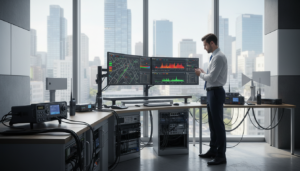
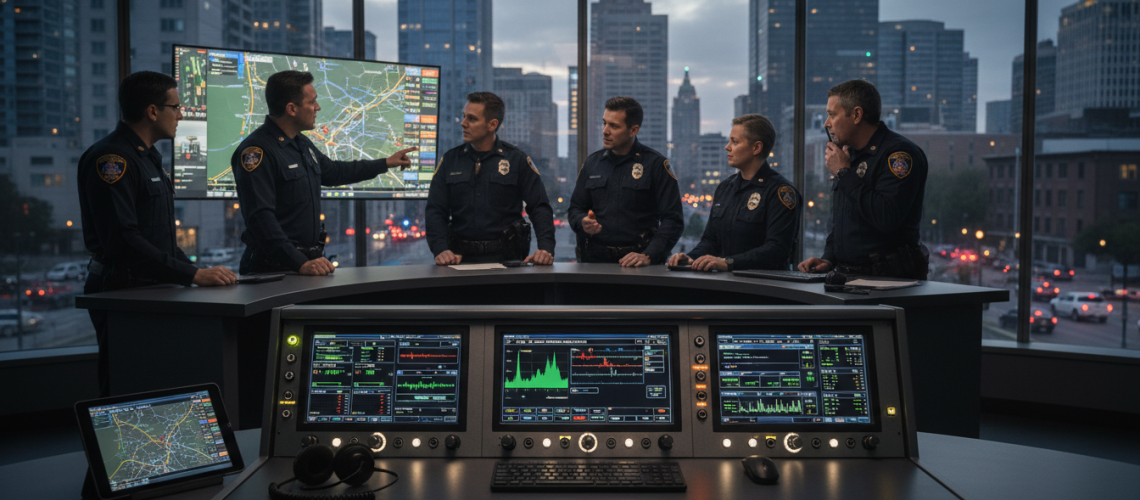
Picture this: you work late in a downtown tower when alarms flash and elevators stop. Fire crews arrive but struggle to hear each other inside. That silence feels worse than the sirens.
In many modern buildings, thick glass, concrete and metal block vital signals. First responders need clear communication to move fast. Reliable in-building systems help keep radios working where you need them most.
Telnet tests, designs, and installs these systems so your building meets safety requirements and occupancy rules. Their crew verifies antennas, signal levels, and placements to protect first responders during a building emergency.
This article will walk you through technical criteria, code triggers, and practical steps to ensure your space supports clear radio communication for every rescue.
Key Takeaways
- Modern materials can create dead zones that block vital signals.
- In-building systems restore clear communication for first responders.
- Telnet offers testing, design, and installation to meet codes.
- Proper antenna placement and testing prevent failures during incidents.
- Knowing requirements helps you keep your building safe and compliant.
Understanding what is an emergency responder radio coverage system and when is it required
B. Tall structures and layered interiors can create pockets where public-safety transmissions fade fast. These pockets matter because they slow down first responders during a building emergency.
Fire Protection, Inc. (FPI) has helped commercial properties stay safe since 1968. They design, install, and test systems so your building meets local fire code requirements. Investing in one protects lives and keeps your property compliant.
Such solutions bridge the gap between outside networks and interiors by using distributed antennas and other gear. That setup boosts weak signals so responder radios work reliably across floors, basements, and large areas.
Quick facts:
- Local fire codes often mandate these systems for new and existing buildings.
- Reliable radio communication can determine how fast first responders act.
- Proper antenna placement and testing prevent dead zones during incidents.
Why your building needs reliable radio communication
Clear communication inside a structure saves time and lives. When walls, floors, and facades block signal strength, crews lose contact. That loss slows decisions during a building emergency and raises safety risks for everyone inside.
The impact of building materials
Concrete, steel, and reflective glass often create dead zones by weakening radio signals. Your modern materials can stop transmissions from reaching basements, stairwells, and interior rooms.
Even brief signal loss forces teams to move slower or stop operations while they reestablish contact. That delay can be costly during a fast-moving incident.
Protecting first responders
First responders depend on two-way radio gear to call for help, share locations, and coordinate evacuations. When a building fails to provide adequate signal strength, radios may cut out at critical moments.
“Clear lines of communication are the backbone of rescue operations; when those lines fail, so can the response.”
- Boosting signals removes dead zones so responders communicate reliably across floors.
- Consistent power and monitoring keep radios working during long incidents.
- Installing proper equipment ensures responders use the tools they need to save lives.
Navigating fire codes and regulatory compliance
Regulators expect verified indoor connectivity in new construction and major renovations. Meeting code means more than installing gear; you must prove performance where it counts. Local officials will review plans, inspect components, and confirm testing before occupancy permits are issued.
Key standards guide performance.
Key standards like NFPA and IFC
The International Fire Code (IFC) section 510.1 requires approved radio coverage for first responders in all new building construction. NFPA 1225 raises the bar by demanding 99 percent floor-area performance in critical areas such as stairwells and command centers.
Compliant installations typically use a distributed antenna system with internal antennas and reliable power supplies. Jurisdictional reviewers check boosters, backup power, and monitoring to ensure continuous operation during incidents.
- Professional installation services reduce the risk of failed inspections.
- Regular maintenance keeps signals strong and prevents dead zones.
- Documentation and testing reports demonstrate compliance to authorities.
| Requirement | Reference | Typical Components | Why it Matters |
|---|---|---|---|
| Approved indoor coverage | IFC 510.1 | Distributed antenna system, amplifiers | Needed for permit approval on new construction |
| Performance in critical areas | NFPA 1225 | Internal antennas, monitoring, battery backup | Ensures 99% floor-area reliability for first responders |
| Component verification | Local jurisdiction rules | Power supplies, signal boosters, test reports | Prevents citations and improves occupant safety |
Essential components of a modern coverage system
Modern interiors often block two-way transmissions, leaving crews without clear links inside large structures.
Bi-Directional Amplifiers (BDAs)
Bi-Directional Amplifiers
BDAs boost public-safety transmissions so first responders can communicate across floors and basements.
They amplify both incoming and outgoing radio signals, reducing dead zones and improving signal strength.
Distributed Antenna Systems
Distributed Antenna Systems
A distributed antenna system spreads signals evenly through a building. That layout prevents pockets where the building fails to support radios.
Proper planning places antennas in stairwells, lobbies, and large areas to keep clear communication where it matters most.
Battery backup and monitoring
Battery backup and monitoring
Battery packs and remote monitoring keep the setup live during power loss. Monitoring tracks signal levels and battery health so technicians can act fast.
NFPA 1225 requires regular maintenance, calibration, and reports to meet jurisdiction requirements.
| Component | Primary Role | Why it matters |
|---|---|---|
| Bi-Directional Amplifier | Boosts weak transmissions | Improves signal strength for responders inside buildings |
| Distributed Antenna System | Even signal distribution | Prevents dead zones across floors and areas |
| Battery Backup & Monitoring | Power and health alerts | Ensures continuous operation and compliance with NFPA 1225 |
Conclusion
Reliable in-building communication changes outcomes when every second matters.
Implementing the right design, installation, and upkeep protects occupants and helps crews act fast. Follow IFC and NFPA guidance to meet code and avoid costly delays during review.
Invest in professional testing and routine maintenance to keep interior links working through power loss and complex layouts. That attention pays off in safer responses and smoother inspections.
This article aimed to give clear steps you can use now to plan, comply, and protect your property. Take action early so teams have the tools they need to save lives.
FAQ
What does an emergency responder radio coverage system do?
It boosts two-way communications inside structures so fire, police, and EMS get reliable signals. The setup uses antennas, amplifiers, cabling, and often a distributed antenna system (DAS) to route public safety frequencies where they would otherwise fade or drop. Clear talk helps you coordinate rescues and manage hazards faster.
When will you need one in your building?
Local fire codes, like the International Fire Code and NFPA 1225 guidance, typically trigger a requirement for enhanced in‑building signal solutions in large or complex structures, underground spaces, high‑rise towers, and locations where construction materials block transmissions. Your authority having jurisdiction (AHJ) inspects and enforces the rule.
How do building materials affect radio signals?
Concrete, steel, low‑E glass, and thick insulation absorb or reflect frequencies. That creates pockets with poor reception. If your layout includes basement levels, parking garages, or deep rooms, signal loss becomes a safety issue and often leads to mandated enhancements.
Who protects first responders with these installations?
Fire marshals, building owners, system integrators, and certified technicians share responsibility. Fire officials approve plans, while trained vendors install and commission bi‑directional amplifiers, antennas, and DAS gear to meet code and performance tests.
Which codes and standards should you follow?
NFPA standards and the International Fire Code set performance and testing criteria. Local amendments matter, too. You should coordinate with your AHJ early so installations satisfy inspection, acceptance testing, and ongoing maintenance rules.
What are the main components you’ll find in a modern setup?
Typical systems include donor antennas, bi‑directional amplifiers (BDAs), a distributed antenna system of internal antennas and coax or fiber, monitoring panels, and a battery backup. Those parts work together to keep signals strong during power loss and routine operations.
Why are BDAs important?
BDAs receive weak outside signals, amplify them, and rebroadcast them inside. They also send inside signals back out. This two‑way amplification is crucial for maintaining clear talk on public safety bands across the building.
How does a DAS differ from a single antenna?
A DAS spreads coverage throughout a structure using multiple internal antennas linked by cable or fiber. That design fills dead zones more evenly than one rooftop antenna trying to serve many rooms and floors.
What role does battery backup play?
Backup power keeps the system live during outages so you don’t lose communications when you need them most. Codes usually require enough runtime to support emergency operations until building power or external help returns.
How often must these systems be tested and maintained?
Routine testing and monthly or annual inspections are common requirements. Your AHJ will specify test intervals, performance thresholds, and documentation. Ongoing maintenance ensures antennas stay aligned and amplifiers remain within spec.
What happens if a building’s system fails during an incident?
Loss of in‑building service can hinder coordination, slow rescues, and create safety risks. That’s why redundancy, monitoring, and prompt repairs are critical. Many jurisdictions require immediate notification and corrective action plans when failures occur.
How do you start a compliance project for your property?
Begin with a signal survey from a qualified integrator, then submit plans to your AHJ. Work with vendors experienced in public safety frequencies and NFPA testing to design, install, and commission the system to meet local code requirements.