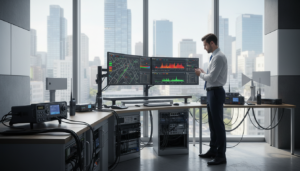
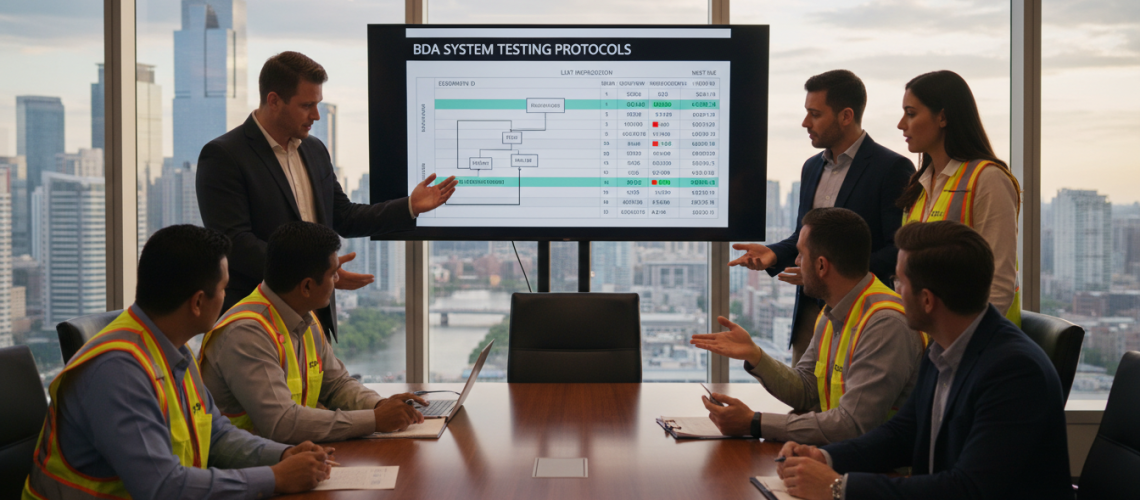
Picture this: you walk into your building late on a rainy night. The alarm panel shows normal status, yet a contractor finds weak radio coverage near the stairwell. That quick check saved an evacuation from chaos.
You manage a property and need clear steps for fire protection. Century Fire Protection offers expert maintenance and inspections that keep your emergency communication tools ready. Regular testing catches faults early and keeps your facility in code.
This short guide gives plain documentation and practical tips for owners and managers. It outlines testing schedules, inspection points, and record keeping to protect occupants and meet local codes today.
Key Takeaways
- Schedule routine testing to spot issues before they escalate.
- Keep concise documentation for compliance and audits.
- Partner with experts like Century Fire Protection for reliable maintenance.
- Focus on alarm components, coverage, and power sources during checks.
- Timely inspections protect people, property, and your reputation.
Why Regular BDA System Maintenance Matters
Strong signals and routine checks prevent small faults from turning into dangerous failures. You rely on clear radio coverage for firefighter communication and for your facility’s emergency alarms to reach every corner of the building.
The Role of Signal Strength
Consistent signal strength keeps radios and alarm circuits linked during a fire. Poor coverage can block critical messages, slowing response and risking lives.
Testing verifies that repeaters, antennas, and cabling deliver the expected strength. This includes checking control panel feedback and battery backup so the fire alarm system remains operational when mains power fails.
Protecting Occupants and First Responders
Regular maintenance protects your people and property. In 2019, fire losses exceeded $37 million, showing why reliable fire alarm systems and sprinklers matter.
DSC offers professional maintenance to ensure alarms, backup power, and every component work together. Routine inspection and test work reduce false alarms, ensure rapid evacuation, and maintain compliance.
- Keep signal levels steady so communication stays clear.
- Test control panels and backup power frequently.
- Confirm sprinkler and alarm components are ready.
How Often Should a BDA System Be Tested and Inspected
Annual checks keep your fire alarm and radio coverage ready when seconds count. Encore Fire Protection recommends one full inspection every year to meet NFPA and IFC requirements for signal strength.
Technicians perform rigorous testing of coverage areas, control panels, and power sources. They check battery backup, wiring, and sprinkler-linked alarms to prevent communication failures during an emergency.
What you get from yearly work:
- Verified signal strength across critical areas.
- Confirmed operation of the fire alarm system and backup power.
- Documentation that helps managers prove compliance to local codes.
Keep records of all tests so you can track issues, schedule repairs, and show proof during audits. Review our blog and documentation to learn specific requirements for your fire protection solutions and to keep your property safe and compliant.
Long Term Requirements for System Performance
A planned five-year review reveals coverage gaps that routine checks might miss. This deep audit keeps signal levels steady and confirms that your fire alarm setup still meets local codes.
The Five Year Grid Test
Every five years technicians perform a full RF grid test to map coverage across the building. The grid verifies signal strength in each area so you can trust radios and alarms during an emergency.
During long-term maintenance, crews inspect all fire alarm components, including the control panel and backup power. They also check sprinkler interfaces and cabling to spot wear or faults.
- The five-year grid test records coverage for compliance and future planning.
- Technicians document test results, needed repairs, and recommended upgrades.
- Regular long-term checks help managers catch issues early and preserve fire protection performance.
Conclusion: Keeping Your Building Compliant and Safe
,Regular upkeep plus pro inspections keeps your fire defenses reliable when they matter most. Follow this guide to keep your fire alarm and safety documentation current and ready for any emergency today.
Schedule routine testing of fire alarm components, including sprinkler-linked alarms and backup power. These simple steps protect occupants, your property, and your reputation.
Consult professionals if you find issues or need help meeting local codes. Use our blog post and guide for resources that help managers and owners maintain long-term fire protection and compliance.
FAQ
When must you test and inspect your in-building radio coverage?
You need regular checks for life-safety radios and amplifiers to confirm they meet local fire code and NFPA 72. Perform visual inspections monthly, functional checks quarterly, and a fuller operational test annually. Keep logs, test reports, and corrective actions filed for authorities having jurisdiction.
Why is regular maintenance critical for signal strength and system reliability?
Consistent upkeep prevents dead zones, ensures radio signals reach firefighters, and keeps control panels and power supplies working. Maintenance discovers weak coverage, damaged antennas, battery faults, or interference that can undermine emergency communications.
How do these checks protect occupants and first responders?
Reliable two-way radio coverage lets crews coordinate rescues and evacuation. Clear signals reduce response time and miscommunication. For occupants, working alarms and repeaters improve notification and safe exit during a fire or other emergency.
What does an annual or full operational test include?
A full test verifies end-to-end performance: donor antenna reception, amplifier gain, distribution cabling, coverage mapping in key areas, backup battery load tests, and control interface alarms. Technicians document signal levels and correct any deficiencies on site.
Are there longer-term performance requirements to follow?
Yes. Codes and standards expect ongoing compliance beyond routine checks. You must track maintenance history, service life of batteries and amplifiers, and make upgrades when equipment fails to meet minimum signal metrics or code updates.
What is the five-year grid test and why does it matter?
The five-year grid test maps radio coverage throughout the building to confirm minimum signal strength in all critical areas. It uses a systematic grid, measures at set points, and compares results to acceptance criteria. This test catches gradual coverage loss from renovations or new interference sources.
Who is responsible for maintaining records and compliance?
Building owners and facility managers must maintain inspection reports, corrective action records, and proof of technician qualifications. During inspections by the fire department or insurance auditors, present up-to-date documentation and test logs.
What common issues surface during inspections and how are they fixed?
Frequent problems include poor antenna placement, damaged coax, depleted batteries, and power-switching faults. Solutions range from repositioning antennas and replacing cables to upgrading amplifiers or adding additional coverage units to meet code.
Can you perform tests without disrupting building operations?
Yes. Technicians can schedule off-peak hours, use temporary test transmitters, and coordinate with security to limit interference. Clear communication with tenants minimizes disruption while ensuring thorough checks.
What documentation should you keep after each inspection or test?
Keep date-stamped test reports, signal level charts, corrective action records, manufacturer maintenance recommendations, battery replacement dates, and technician certifications. Store digital copies for easy retrieval during audits.